
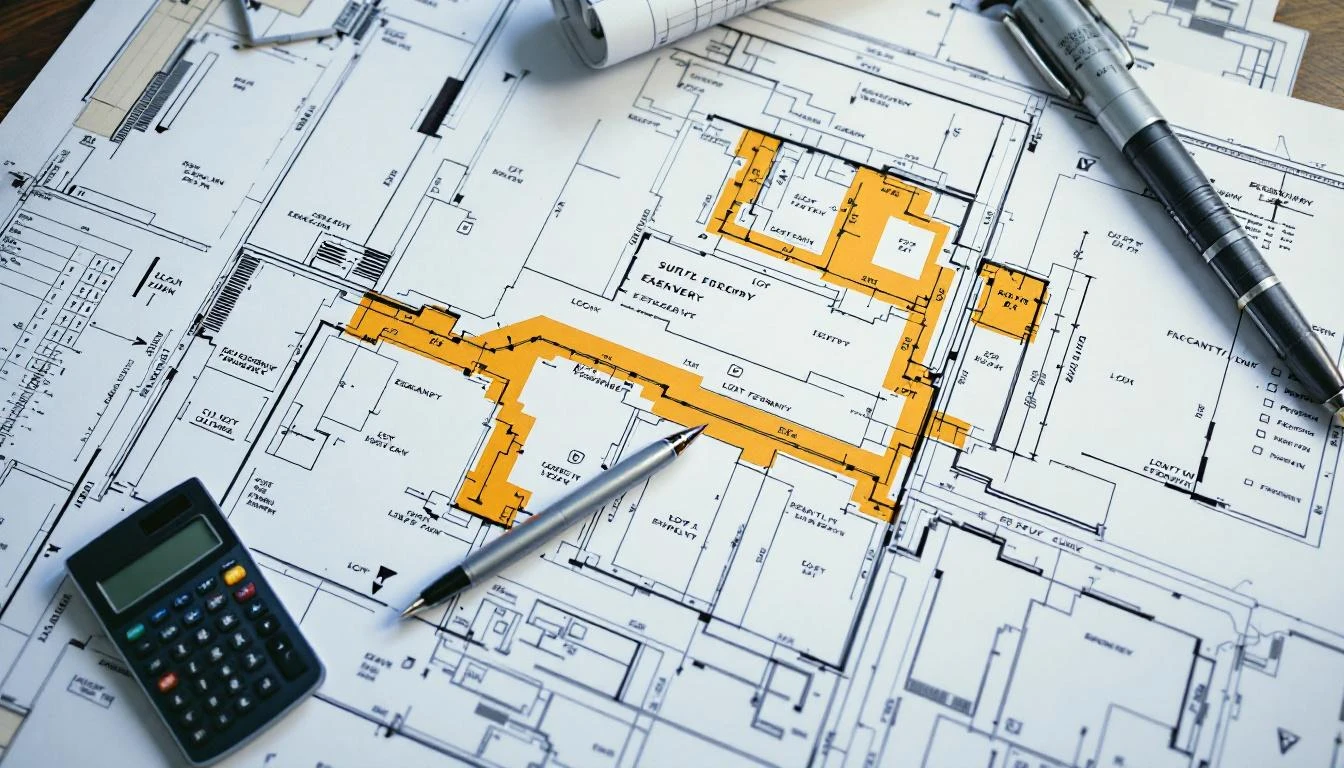
If you've purchased property in NSW or are planning a subdivision, you've likely encountered Section 88B instruments on your title documents. Understanding what these are - and how they affect your property rights - is essential for any property owner.
This guide explains Section 88B instruments in plain English, covering what they contain, how they're created, and what they mean for your property.
Section 88B Explained
Section 88B refers to Section 88B of the Conveyancing Act 1919 (NSW). This section of the Act allows certain interests in land to be created and registered when a plan is deposited with NSW Land Registry Services.
When a surveyor prepares a subdivision plan, they can include a Section 88B instrument that creates:
- Easements - rights for others to use part of your land
- Restrictions on use - limits on what you can do with your land
- Positive covenants - obligations requiring you to do something
- Rights of way - access rights across your property
Once registered, these interests "run with the land" - meaning they bind all current and future owners, not just the person who agreed to them originally.
Common Types of Section 88B Interests
Easements
Easements are the most common interests created under Section 88B. They give someone else (the "benefited" party) the right to use part of your land (the "burdened" land) for a specific purpose.
Common easements include:
- Drainage easements: Allow stormwater to flow across your land
- Sewer easements: For Sydney Water sewer pipes
- Electricity easements: For power lines or underground cables
- Right of carriageway: Vehicle access across your property
- Right of footway: Pedestrian access only
- Support easements: For retaining walls or shared structures
Easements typically have a defined width (e.g., "easement for drainage 1.5 metres wide") and location shown on the survey plan.
Restrictions on Use (Restrictive Covenants)
Restrictions limit what you can do with your property. Common examples include:
- Single dwelling only - no dual occupancy or subdivision
- Minimum building setbacks greater than council requirements
- Restrictions on building materials or colours
- No commercial or industrial use
- Height restrictions
These are often created by developers to maintain the character of an estate.
Positive Covenants
Unlike restrictions (which say what you can't do), positive covenants require you to do something. Examples include:
- Maintaining a retaining wall
- Keeping drainage systems clear
- Maintaining shared driveways
- Contributing to common area maintenance costs
How Section 88B Instruments Are Created
Section 88B instruments are created during the subdivision process:
- Survey preparation: The surveyor identifies where easements are needed (for drainage, services, access)
- Drafting: The surveyor prepares the Section 88B instrument with specific wording for each interest
- Legal review: A solicitor typically reviews the terms
- Council/authority requirements: Councils and service authorities often require certain easements
- Lodgement: The instrument is lodged with the subdivision plan at NSW LRS
- Registration: Once registered, it appears on all affected titles
Finding Section 88B Instruments on Your Property
To find what Section 88B instruments affect your land:
- Certificate of Title: Check your title for references like "DP 123456 - 88B instrument"
- NSW LRS: Order a copy of the instrument from NSW Land Registry Services
- Survey plan: The deposited plan shows easement locations graphically
- Detail survey: Your surveyor can locate and identify all easements during a detail survey
How Section 88B Affects Property Development
Section 88B instruments significantly impact what you can do with your property:
Building Over Easements
You generally cannot build permanent structures over easements. Sydney Water, for example, requires clear access to sewer easements for maintenance. Building over an easement may require:
- Consent from the benefited party
- Relocation of services (at your cost)
- Release and re-creation of the easement
Subdivision Constraints
Existing restrictions may prevent further subdivision or limit lot sizes. Always check Section 88B instruments before purchasing land for development.
Building Design Impact
Setback restrictions in Section 88B instruments may be more onerous than council requirements. Your architect needs copies of all instruments before designing.
Modifying or Removing Section 88B Instruments
Changing a Section 88B instrument is possible but often difficult:
By Agreement
If all parties who benefit from the instrument agree, it can be modified or released. This requires:
- Written consent from all benefited parties
- Preparation of a release or variation document
- Registration with NSW LRS
By Court Order
Under Section 89 of the Conveyancing Act, you can apply to the Supreme Court to modify or extinguish a restriction if:
- It's obsolete due to changes in the neighbourhood
- It unreasonably impedes reasonable use of the land
- Those entitled to the benefit won't be substantially injured
Court applications are expensive and outcomes uncertain.
Section 88B and Your Survey
Surveyors play a key role in Section 88B instruments:
- Creating instruments: Surveyors draft and prepare Section 88B instruments for subdivisions
- Locating easements: During surveys, we identify where easements fall on your property
- Advising on development: We can explain how easements affect your building plans
- Preparing releases: If easements need to be modified, surveyors prepare the necessary plans
Frequently Asked Questions
What is a Section 88B instrument in NSW?
A Section 88B instrument is a legal document registered with a subdivision plan in NSW that creates easements, restrictions on use, positive covenants, or rights of way over land. It's named after Section 88B of the Conveyancing Act 1919 and binds current and future property owners.
What can a Section 88B instrument contain?
A Section 88B instrument can contain: easements (for drainage, services, or access), restrictions on use (limiting building types or activities), positive covenants (requiring owners to do something), and rights of way (allowing access across land). These are permanently registered on the property title.
How do I find Section 88B instruments on my property?
Section 88B instruments appear on your Certificate of Title and can be found through NSW Land Registry Services. Your surveyor can identify and locate these on your property during a detail survey or boundary survey. The instrument reference number will be noted on your title documents.
Can I remove or modify a Section 88B instrument?
Removing or modifying a Section 88B instrument requires consent from all parties who benefit from it, or a court order under Section 89 of the Conveyancing Act. This can be difficult and expensive, especially for easements benefiting essential services like water or sewer.
Do surveyors prepare Section 88B instruments?
Yes, registered surveyors prepare Section 88B instruments as part of subdivision applications. The surveyor drafts the instrument terms, prepares the plan showing easement locations, and lodges everything with NSW Land Registry Services. A solicitor typically reviews the legal wording.
Get Expert Advice
Understanding Section 88B instruments is crucial before purchasing property or planning development. Our licensed surveyors can help you identify and understand the easements and restrictions affecting your Sydney property.